Necessary and Proper Clause

Definition and stakes

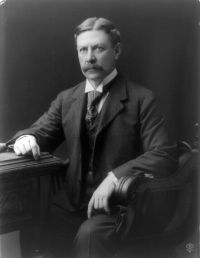
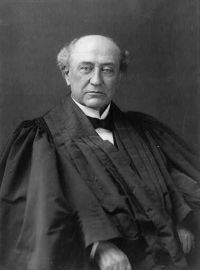
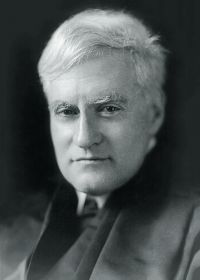
Portrait of Tom C. Clark Tom C. Clark,  Kinsella v. United States — Opinion of the Court

“ Nor do we believe that due process considerations bring about an expansion of Clause 14 through the operation of the Necessary and Proper Clause. If the exercise of the power is valid it is because it is granted in Clause 14, not because of the Necessary and Proper Clause. The latter clause is not itself a grant of power, but a caveat that the Congress possesses all the means necessary to carry out the specifically granted 'foregoing' powers of § 8 'and all other Powers vested by this Constitution. ”
Source: Wikisource

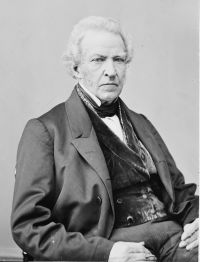
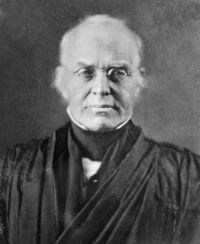
Portrait of Joseph Story Joseph Story,  Commentaries on the Constitution of the United States (1833)

“ In the first place, the clause is placed among the powers of congress, and not among the limitations on those powers. In the next place, its terms purport to enlarge, and not to diminish, the powers vested in the government. It purports, on its face, to be an additional power, not a restriction on those already granted. [32] If it does not, in fact, (as seems the true construction,) give any new powers, it affirms the right to use all necessary and proper means to carry into execution the other powers; and thus makes an express power, what would otherwise be merely an implied power. ”
Source: Wikisource

Get perspective with Kwize: daily news enlightened by great literature