Nestorianism

Definition and stakes

Walter Frederic Adeney,  The Greek and Eastern Churches (1908)

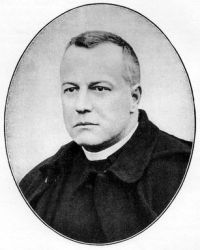
“ Emphasis on the distinction between the Divine and human natures in our Lord issued in Nestorianism. Insistence on the unity of His person pushed to an extreme led to the heresy known at the time as Eutychianism. In point of fact, however, another and a deeper tendency may be traced through each of these movements when we consider the motives that inspired them. The underlying motive of Nestorianism was interest in our Lord's humanity, His earthly life, His brotherly relations with mankind ”
Source: Wikisource

James Craigie Robertson,  Sketches of Church History, from A.D. 33 to the Reformation

“ The Nestorians also continued to be a strong body. Both they and the Monophysites were very active in missions—more active, indeed, than the eastern Catholics. The Nestorians, in particular, made great numbers of converts in Persia (where the heathen kings would allow no other kind of Christianity than Nestorianism) , in India, and in other parts of Asia. And in the seventh century (which is somewhat beyond the bounds of this little book) their missionaries made their way even to China, where they preached with great success. ”
Source: Gutenberg

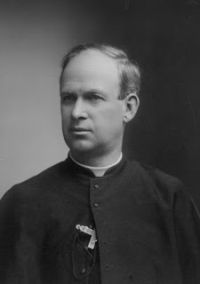
Portrait of J. A. Zahm J. A. Zahm,  From Berlin to Bagdad and Babylon (1922)

“ Like other Eastern Churches, the Nestorian has its peculiar liturgy, rites, laws, customs, but these are so far from affecting the truths of faith, that converts from Nestorianism are allowed by Rome to retain [308] all its peculiarities of worship and religious observance, except in the rare cases in which they actually conflict with Catholic dogma. This is evidenced in the rites and liturgy of the Chaldeans—the Uniates, or converted Nestorians—which are exactly the same as the schismatic Nestorians have used from time immemorial. ”
Source: Gutenberg

Get perspective with Kwize: daily news enlightened by great literature