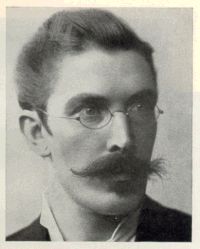
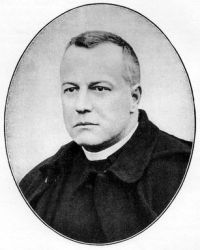
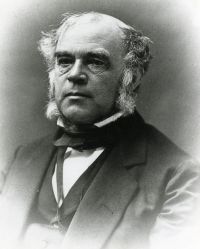
Nestorius, a 5th-century Christian theologian and patriarch of Constantinople, is best known for his role in the Christological disputes that split early Christianity, particularly his rejection of the title Theotokos (Mother of God) for Mary, which led to his condemnation as a heretic at the Council of Ephesus (431). Historians and theologians have long debated his legacy, with figures like Archibald Bower condemning him as a persecutor, while Friedrich Loofs examined his doctrinal disagreements with Cyril of Alexandria, highlighting the political and theological intricacies of his position.
Adrian Fortescue pointed out the unfairness of his rapid deposition, and George Badger emphasized the doctrinal obstacles preventing Nestorians from uniting with Rome. These differing viewpoints underscore Nestorius’s lasting importance as a figure whose controversial ideas influenced the development of Christian orthodoxy and church authority.
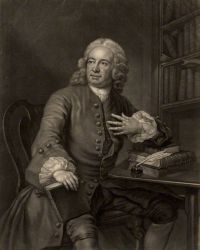 Archibald Bower,
The History of the Popes: From the Foundation of the See of Rome…
Archibald Bower,
The History of the Popes: From the Foundation of the See of Rome…