Norwegian language

Definition and stakes

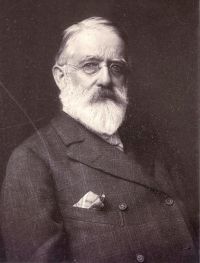
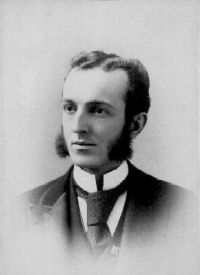
Portrait of Leon Dominian Leon Dominian,  The Frontiers of Language and Nationality in Europe

“ About 95 per cent of the Norwegians speak, according to districts, different dialects derived from the Old Norse. The Norwego-Danish, or Riksmaal, is the language of polite society and the one which a foreigner naturally learns when in Norway. The language of the land, or Norsk as it is called by the Norwegians, has the merit of being more homogeneous than either Danish or Swedish.
Nationality and language have grown apace in Norway. Prior to the nineteenth century the use of words taken from the Norwegian dialects was considered bad form.
”
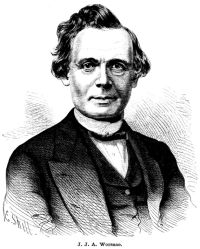
Source: Gutenberg

E. C. Otté,  A Simplified Grammar of the Danish Language (1883)

“ The Dano-Norwegian language which was thus common to both Norwegians and Danes had, however, in the course of time become so deeply affected by Germanizing influences, that it had lost much of the special Scandinavian character, which could still be traced in Swedish, and in the various forms of the "Bondesprog" or peasant language of provincial Norway. Of this Danish and Norwegian scholars have long been sensible, and more than fifty years ago a scheme was propounded by the eminent philologist, Rasmus Rask, for the thorough reform of "Dansk-Norsk" (Dano-Norwegian) . ”
Source: Wikisource

Peter Olsen Groth,  A Danish and Dano-Norwegian Grammar (1894)

“ Still the language spoken and written by the educated classes in Norway was never pure Danish. Norwegian authors have always used some native words, taken from the rural dialects, in their writings, and while the official and professional people during the union with Denmark affected as far as possible a correct Danish pronunciation, the tendency in Norway now, even though it be unconscious, is to nationalize the language more and more. ”
Source: Wikisource

Get perspective with Kwize: daily news enlightened by great literature