Old English language

Definition and stakes

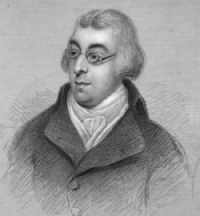
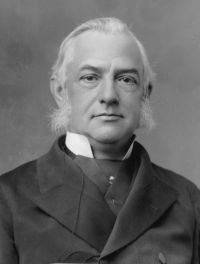
Baron Thomas Babington Macaulay Macaulay,  Critical and Historical Essays…

“ For magnificence, for pathos, for vehement exhortation, for subtle disquisition, for every purpose of the poet, the orator, and the divine, this homely dialect, the dialect of plain working men, was perfectly sufficient. There is no book in our literature on which we would so readily stake the fame of the old unpolluted English language, no book which shows so well how rich that language is in its own proper wealth, and how little it has been improved by all that it has borrowed. ”
Source: Gutenberg

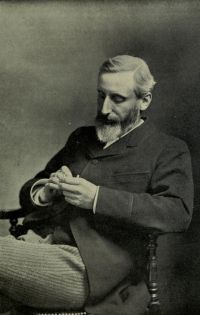
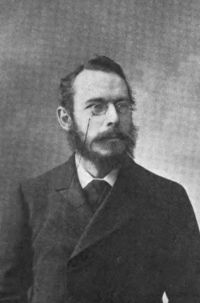
A. B. Stark,  Popular Science Monthly (1879)

“ In a word, old English is the right key to the understanding of modern English, and those who will not use this key will never open the lock with all their fumbling"—with all their attempts to use the counterfeit Latin-grammar key. No critical student, following the historical method, can stop in the fourteenth century in his search for old English. He can find no resting-place—no distinct break in the continuity of the language. ”
Source: Wikisource

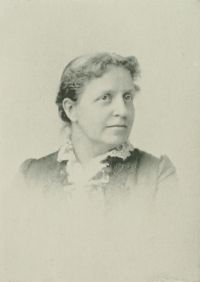
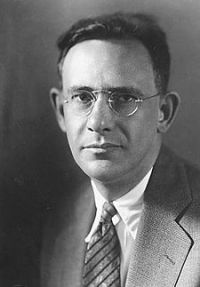
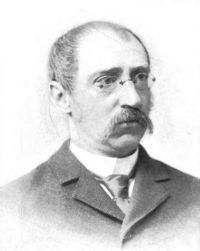
P. V. N. Myers,  A General History for Colleges and High Schools…

“ The Language.—From the Norman Conquest to the middle of the fourteenth century there were in use in England three languages: Norman French was the speech of the conquerors and the medium of polite literature; Old English was the tongue of the common people; while Latin was the language of the laws and records, of the church services, and of the works of the learned.
Modern English is the Old English worn and improved by use, and enriched by a large infusion of Norman- French words, with less important additions from the Latin and other languages.
”
Source: Wikisource

Get perspective with Kwize: daily news enlightened by great literature