Papal States

Definition and stakes

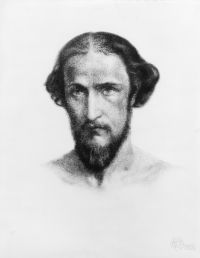
Portrait of J. M. Robertson J. M. Robertson,  A Short History of Christianity

“ The strength of the papacy as against its many enemies lay (1) in the strifes of States and nations, in which the pope could always intervene; (2) in the feeling of many serious men that a central power was needed to control strife and tyranny; (3) in the compiled system of canon law, which expanded still further the code of the Decretals and of Gratian, and constantly exalted the papal power; (4) in the orders of preaching friars, who acted as papal emissaries, and kept in partial discredit the local clergy everywhere ”
Source: Gutenberg

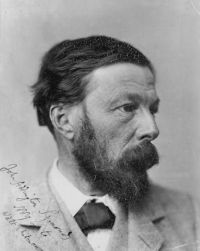
Lewis Sergeant,  John Wycliff, last of the schoolmen and first of the English reformers… (1893)

“ The story of the Papacy itself in the fourteenth century is as important and striking as that of any of the larger European States. The State of the Church had been built up by successive papal assumptions on the basis of religious authority perverted into secular feudalism, and by means of extravagant tolls levied upon the religious devotion of Christendom. ”
Source: Wikisource

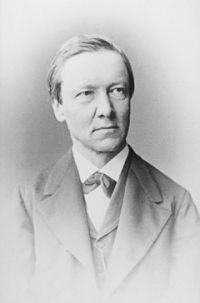
Richard W. Thompson,  The Footprints of the Jesuits

“ Our fathers separated Church and State deliberately and wisely, and more than a century of experience has assured to us a degree of prosperity unsurpassed anywhere in the world. Yet the pope—considering this the triumph of evil, of the State over the Church, and of Belial over Christ—invites us to come within the circle of his spiritual jurisdiction, so that every law of the people conflicting with the Canon law of the Roman Church shall be blotted from our statute-books, and our limbs bound with chains forged in papal workshops. ”
Source: Gutenberg

Get perspective with Kwize: daily news enlightened by great literature