Pax Romana

Definition and stakes

Joseph Bernhart,  The Vatican as a World Power (1939)

“ The political calm which rested on the World Empire was like the quiet of a summer's day, in which all that lives can grow and thrive. Caesar Augustus, it was declared, had brought the answer to every prayer: he was the father of the fatherland, the saviour of the whole human race. Men sang the praises of the Pax Romana, the peace which all earth owed to Rome. This peace had been created through might and wisdom, with the merciless sword and the ploughshare of ordering law. And now all peoples appeared to be free for the task of fashioning their own inward happiness. ”
Source: Wikisource

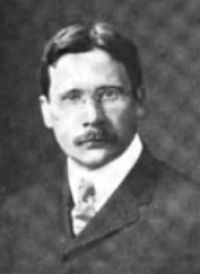
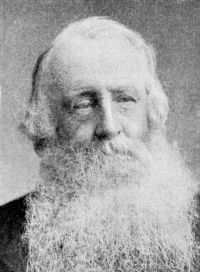
Portrait of Guglielmo Ferrero Guglielmo Ferrero,  Characters and events of Roman History (1909)

“ It is difficult to find in history a longer and more troubled career than that known by Augustus for nearly sixty years, from the far-away days when, young, handsome, full of ambition and daring, he had come to Rome, throwing himself head first into the frightful turmoil let loose by the murder of Caesar, to that tranquil death, the death of a great wise man, in the midst of the pax Romana, now spread from end to end of the Empire! ”
Source: Wikisource

T. W. Allies,  The Holy See and the Wandering of the Nations…

“ There is a second wonder in human history, on which it is the purpose of this volume to dwell. The Roman empire, in which the Pax Romana had provided a mould of widespread civilisation for the Church's growth, was [Pg 6] at length broken up in the western half of it, by Teuton invaders occupying its provinces. These were all, at the time of their settlement, either pagan or Arian. There followed, in a certain lapse of time, the creation of a body of States whose centre of union and belief was the See of Peter. That is the creation of Christendom proper. ”
Source: Gutenberg

Get perspective with Kwize: daily news enlightened by great literature