Peruvian bark

Definition and stakes

Sir Clements R. Markham,  Travels in Peru and India

“ Many of the natives are already fully aware of the febrifugal virtues of Peruvian bark, and it is to be hoped that, in all the hill-districts where there is a suitable elevation and climate, they will grow chinchona-trees in their gardens, just as is now generally done with coffee in all the villages in Coorg. For the use of the natives there will be no necessity to go to the expense and trouble of extracting the alkaloids, as the green fresh bark is itself very efficacious. ”

Source: Gutenberg

John Montgomery,  Once a Week, Series 1, Volume VIII…

“ The abundant supply of Peruvian Bark is, therefore, a question of deep interest to mankind. Every species of cinchona of which the bark is really valuable, is now eagerly sought after, wherever it grows; but the districts once most productive of bark now produce comparatively little; all the regulations by which the South American Governments have from time to time attempted to prevent the destruction of the trees, have been nearly ineffectual; and in all South America no attempt has ever been made for their cultivation. ”
Source: Wikisource

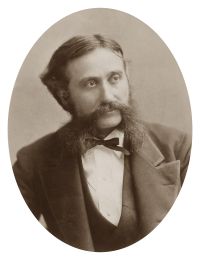
Portrait of Mayne Reid Mayne Reid,  The Forest Exiles: The Perils of a Peruvian Family in the Wilds of the Amazon

“ Of the Peruvian-bark trees there are many species,—between twenty and thirty. Most of these are true cinchona-trees, but there are also many kinds of the genus Exostemma, whose bark is collected as a febrifuge, and passes in commerce under the name of Peruvian bark. All these are of different qualities and value. Some are utterly worthless, and, like many other kinds of “goods,” form a sad commentary on the honesty of commerce.
The species, which grew on the sides of the adjacent hills, Don Pablo recognised as one of the most valuable.
”
Source: Gutenberg

Get perspective with Kwize: daily news enlightened by great literature