Polotsk, a railway station in Belarus, functions as a crucial junction in the region’s infrastructure, linking major cities and embodying centuries of historical and strategic importance. From its 19th-century emergence as a center for the Riga-Orlovskaya line to its involvement in military campaigns, the station represents the convergence of geography and human mobility.
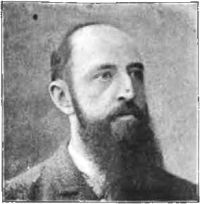
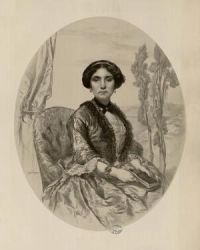
Authors such as Boris Pilniak, who captured its desolate beauty in Tales of the Wilderness, and Jeremiah Curtin, who documented its medieval political connections in The Mongols in Russia, emphasize its dual character as both a transit point and a historical crossroads. Meanwhile, military narratives, such as those by Baron Marbot, highlight its significance during Napoleonic conflicts. These diverse viewpoints collectively demonstrate Polotsk’s lasting role as a bridge between past and present, movement and heritage.
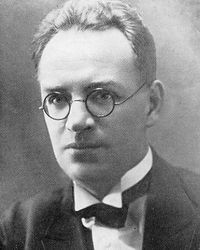 Boris Pilniak,
Tales of the Wilderness
Boris Pilniak,
Tales of the Wilderness