Poznań

Definition and stakes

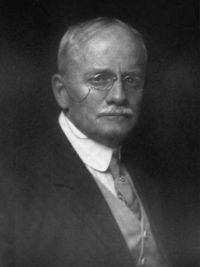
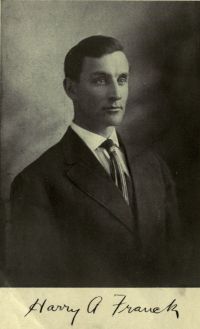
Portrait of Harry Alverson Franck Harry Alverson Franck,  Vagabonding Through Changing Germany

“ On market-days the immense square allotted to them was densely crowded from corner to corner by curiously garbed female hawkers and countrymen offering every conceivable product of their farms and gardens. Poznan still consumed a few things that do not appear on the American bill of fare, such as doves, gull eggs, and various species of weeds and grasses; but the fact remains that the well-to-do could get anything their appetites craved, and the poor were immensely better off than in any city of Germany. There was only one shortage that irked the popular soul. ”
Source: Gutenberg

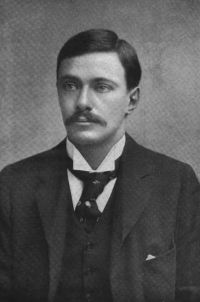
Paul Fox,  The reformation in Poland (1924)

“ Jędrzejów, 20 villages, 1 section, and 1 town. [297] In Mazovia, the Abbey of Płock was in possession of 20 villages, and the Abbey of Czerwieńsk of 63 villages. [298] Especially striking as to size were the episcopal estates. The bishop of Poznań owned in the county of Poznań 16 per cent. of the land under peasant cultivation, in Mazovia, 19 villages, and in Little Poland, 3 villages. [299] The bishop of 90 Łuck owned in Podlasie 100 “włók osiadłych,” besides “liburnam et navigium” on the River Bug near Drohiczyn, and in Volhynia 14 villages covering an area of 2.77 square miles. ”
Source: Gutenberg

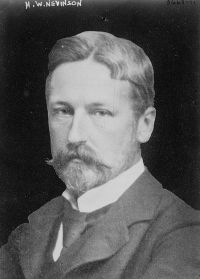
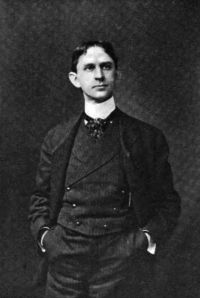
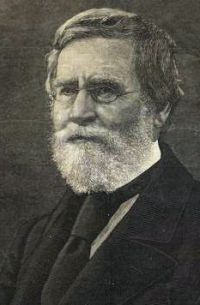
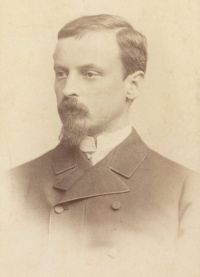
Portrait of Henryk Sienkiewicz Henryk Sienkiewicz,  The Deluge: An Historical Novel of Poland…

“ Meanwhile the voevoda of Poznan sent away the trumpeter with an answer to the letter reading more or less as Radzeyovski had foretold, therefore both courteous and Roman; then he determined to send a party to the northern bank of the Notets to seize an informant from the enemy.
Pyotr Opalinski, voevoda of Podlyasye, a cousin of the voevoda Poznan, was to go in person with a party together with his own dragoons, a hundred and fifty of whom he had brought to Uistsie
”
Source: Gutenberg

Get perspective with Kwize: daily news enlightened by great literature