Prometheus Unbound

Definition and stakes

Portrait of August Wilhelm von Schlegel August Wilhelm von Schlegel,  Lectures on Dramatic Art and Literature

“ A considerable fragment of the Prometheus Unbound has been preserved to us in a Latin translation by Attius.
The Prometheus Bound is the representation of constancy under suffering, and that the never-ending suffering of a god. Exiled in its scene to a naked rock on the shore of the earth-encircling ocean, this drama still embraces the world, the Olympus of the gods, and the earth, the abode of mortals; all as yet scarcely reposing in security above the dread abyss of the dark primaeval powers—the Titans.
”
Source: Gutenberg

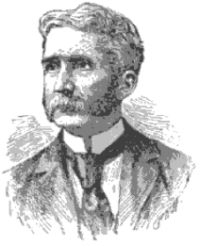
Portrait of William J. Long William J. Long,  Outlines of English and American Literature

“ In Prometheus Unbound Shelley uses the old myth of the Titan who rebelled against the tyranny of the gods, and who was punished by being chained to a rock. [Footnote: The original tragedy of Prometheus Bound was written by Æschylus, a famous old Greek dramatist. The same poet wrote also Prometheus Unbound, but the latter drama has been lost. Shelley borrowed the idea of his poem from this lost drama.] In this poem Prometheus (man) is represented as being tortured by Jove (law or custom) until he is released by Demogorgon (progress or necessity) ”
Source: Gutenberg

It Can Be Done: Poems of Inspiration

“ PROMETHEUS UNBOUND In the poem from which this excerpt is taken, Prometheus the Titan has been cruelly tortured for opposing the malignant will of Jupiter. In the end Prometheus wins a complete outward victory. Better still, by his steadfastness and high purpose he has won a great inward triumph. The spirit that has actuated him and the nature of his achievement are expressed in the following lines.
To suffer woes which Hope thinks infinite;
To forgive wrongs darker than death or night;
To defy Power, which seems omnipotent
”
Source: Gutenberg

Get perspective with Kwize: daily news enlightened by great literature