Purcell

Definition and stakes

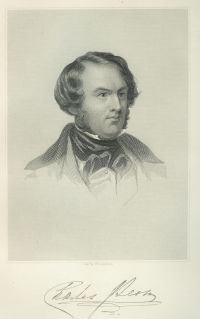
Louis C. Elson, Chief Editor,  University Musical Encyclopedia

“ It is particularly interesting to any one who wants to understand how Purcell stands in the history of musical development. It shows at once his strength and weakness in the most unmistakable manner, his brilliant inventive powers, his splendid ideas, and his inability to put them to a proper use. All through the work the composer is hovering between various styles, and everywhere is lack of unity. It is this curious inequality in Purcell's music that makes it at once so fascinating and so disappointing. At one moment he lifts you to the stars, and the next moment he dashes you down to earth. ”
Source: Wikisource

John F. Runciman,  Purcell

“ Pelham Humphries, an unmistakable genius, was carried away at twenty-seven; Henry Purcell, one of the mightiest of the world's masters of music, died at the age of thirty-seven, only two years older than his peer in genius, Mozart. Yet he left a glorious record, and his days must have been glorious. Men like Purcell do not create music such as theirs by blind instinct, as a cat catches mice. A mighty brain and mightier heart must have worked with passionate energy, the fires must have burnt at an unbroken white heat, to produce so much unsurpassable music in so short a time. ”
Source: Gutenberg

John F. Runciman,  Purcell

“ One spirit, the secular, pagan spirit, breathes in every bar of Purcell's music. Mid-Victorian critics and historians deplored the resemblance between the profane style of the stage pieces and the sacred style of the anthems and services. Not resemblance, but identity, is the word to use. There is no distinguishing between the two styles. There are not two styles: there is one style—the secular style, Purcell's style. Let us pause a moment, and ask ourselves if any great composer has ever had more than one style. ”
Source: Gutenberg

Get perspective with Kwize: daily news enlightened by great literature