An organist is a musician who specializes in playing the organ, an instrument central to both sacred and secular musical traditions. Historically, organists have played a key role in church environments, supporting worship and directing choirs, while also enriching classical music through composition and spontaneous creation. Composers such as Bach and Franck illustrate the dual nature of organists as both performers and creators.
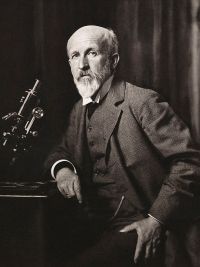
The theme also connects with scientific discussions, as thinkers like Emil Abderhalden and Ernst Haeckel used the term "organism" to describe biological systems, emphasizing the interdependence of components—a notion similar to the organist’s control over an instrument’s intricate workings. This duality highlights the organist’s identity as both a musical craftsman and a representation of harmony within complex systems across various fields.