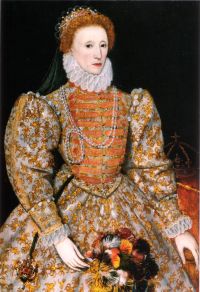
Queen Anne of Great Britain

Definition and stakes

Philip Chesney Yorke 1911 Encyclopædia Britannica, Volume 2… (1911)

On the 8th of March 1702 Anne became, by King William’s death, queen of Great Britain, being crowned on the 23rd of April. Her reign was destined to be one of the most brilliant in the annals of England. Splendid military triumphs crushed the hereditary national foe. The Act of Union with Scotland constituted one of the strongest foundations of the future empire. Art and literature found a fresh renascence.
Source: Wikisource

The Scottish Highlands, Highland Clans and Highland Regiments…

So soon as we heard of the afflicting news of the death of her late majesty, Queen Anne, it did exceedingly comfort us, that, after so good and great a queen, who had the hearts and consulted the true happiness of all her people, we were to be governed by his sacred majesty, King George, a prince so brightly adorned with all royal virtues, that Britain, under his royal administration, shall still be flourishing at home, and able to hold the balance in the affairs of Europe.
Source: Gutenberg

Philip Chesney Yorke 1911 Encyclopædia Britannica, Volume 2… (1911)

The unfounded rumour that William contemplated settling the succession after his death on James’s son, provided he were educated a Protestant in England, may possibly have alarmed her. [8] Meanwhile, since the birth of the duke of Gloucester, the princess had experienced six more miscarriages, and had given birth to two children who only survived a few hours, and the last maternal hope flickered out on the death of the young prince on the 29th of July 1700. Henceforth Anne signs herself in her letters to Lady Marlborough as “your poor unfortunate” as well as “faithful Morley.”
Source: Wikisource

Get perspective with Kwize: daily news enlightened by great literature