Rammohun Roy

Definition and stakes

Sivachandra Vasu The Hindoos as They Are

Fifty years ago, when the British Government was endeavouring to consolidate its power in the East, and when the religious prejudices of the Natives were alike tolerated and respected, there arose a great man in Bengal who was destined by Providence to work a mighty revolution in their social, moral and intellectual condition. That great man was Rammohun Roy, the pioneer of Hindoo enlightenment.
Source: Gutenberg

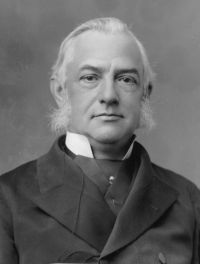
Portrait of F. Max Müller F. Max Müller Auld lang syne. Second series (1899)

The following verses will show what was in the mind of Nânak and of his followers, and we know from history how well their labours for conciliation between Hindus and Mohammedans succeeded, at least for a time, and how what seems to us impossible at present was fully achieved by them. Rammohun Roy and Keshub Chunder Sen would gladly have joined in the following words of the Granth:—
“Some men are Hindus and some Musalmans.
Among the latter are Rawazis, Imams, and Sufis; know that all men are of the same caste.
Source: Gutenberg

Ramakrishna Paramahamsa The Gospel of Râmakrishna (1907)

He was a true philanthropist, a patriot an educationalist, and the founder of the Metropolitan Institution in Calcutta. The word Vidyasagara is a Sanskrit title which he acquired on account of his vast erudition. It means "ocean of knowledge." ↑ Raja, Rammohun Roy was a great Hindu reformer who lived between 1774 and 1833 A.D. He was the first earnest-minded investigator of the science of comparative religion that the world has produced. He studied the Vedas in Sanskrit and the Buddhist Scriptures in the original Pali ↑ Burdwân, an old city in Bengal, famous for delicious sweetmeats.
Source: Wikisource

Get perspective with Kwize: daily news enlightened by great literature