Richard of Gloucester

Definition and stakes

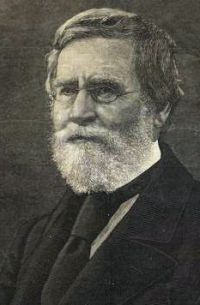
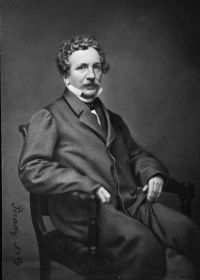
Portrait of John Cassell John Cassell Cassell's Illustrated History of England (1865)

By degrees the terror which Gloucester had inspired began to die away from the minds of men; they began to sympathise with their youthful king, kept in such unworthy subjection, and to offer to him their aid and services. No sooner did Richard feel conscious of this change in the public feeling than he gave one of those proofs of high thought, and bold, prompt action, which, if they had been the results of a steady, energetic temperament, and not mere evanescent flashes, would have made his enemies stoop in awe before him, and his reign fortunate.
Source: Wikisource

Mrs. Lang The Book of Princes and Princesses

Still Richard knew too well that if he dared to arrest him publicly his own doom would be sealed, for all London would at once fly to arms. Therefore, taking some men with him on whom he could rely, Richard rode down into Essex to the duke's house of Pleshy, and with fair words requested his company to the Tower of London. Gloucester went without misgiving—would he not be in the City which adored him?—and was lodged in splendid apartments close to the king, on pretence, perhaps, of caring the better, for his uncle who was at that time suffering from illness.
Source: Gutenberg

Mrs. Lang The Book of Princes and Princesses

Inside the palace all was peace; but outside the people had begun to murmur again, and faces grew dark at the sound of Richard's name, and men spoke of the debts that were daily increasing and the taxes that were ever growing. But if Richard took no heed of these signs, there was one person who never failed to watch and listen, and every now and then to put in a careless word, which somehow always made matters worse. This was the duke of Gloucester, uncle to the king, and a great favourite of the Londoners.
Source: Gutenberg

Get perspective with Kwize: daily news enlightened by great literature