River Ouse

Definition and stakes

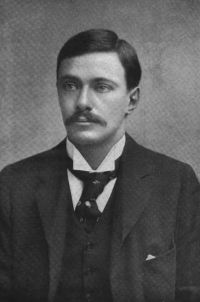
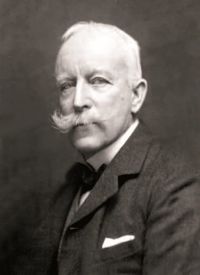
Portrait of George Gissing George Gissing,  The Private Papers of Henry Ryecroft

“ Then I see a light glimmering in the farmhouse window—a little ray against the blackness of the great hillside, below which the water sleeps. . . .
A pathway leads me by the winding of the river Ouse. Far on every side stretches a homely landscape, tilth and pasture, hedgerow and clustered trees, to where the sky rests upon the gentle hills. Slow, silent, the river lapses between its daisied banks, its grey-green osier beds. Yonder is the little town of St. Neots. In all England no simpler bit of rural scenery; in all the world nothing of its kind more beautiful.
”
Source: Gutenberg

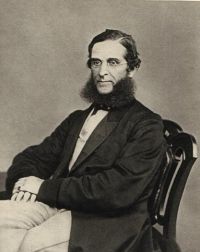
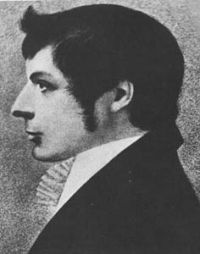
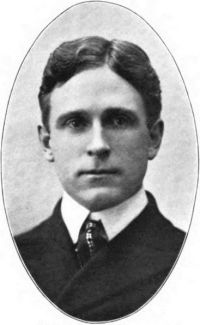
Portrait of Elihu Burritt Elihu Burritt,  A Walk from London to John O'Groat's

“ The river Ouse meanders through a wide, fertile flat, or what the Scotch would call a strath, which gently rises on each side into pleasantly undulating uplands. Parks, groves, copses, and hedge-row trees are interspersed very happily, and meadow, pasture, and grain-fields seen through them, with villages, hamlets, farm-houses, and isolated cottages, make up a landscape that grows more and more interesting as you contemplate it. ”
Source: Gutenberg

John Thomas Bealby,  1911 Encyclopædia Britannica (1911)

“ The Ouse (q.v.) or Great Ouse, the largest of the fenland rivers, seems to have been deflected, at some unknown period, from a former channel connecting via the Old Croft river with the Nene, into the Little Ouse below Littleport; and the courses of the two streams are now linked together by an elaborate network of artificial drains, the results of the great engineering works carried out in the Bedford Level in the 17th century. The old channel, starting from Earith, and known as the Old West river, carries only a small stream until, at a point above Ely, it joins the Cam. ”
Source: Wikisource

Get perspective with Kwize: daily news enlightened by great literature