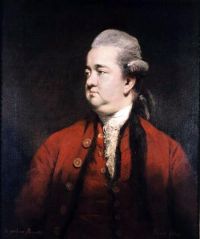
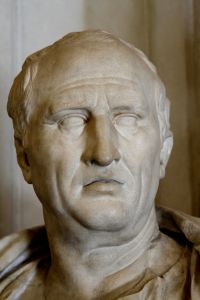
Roman senator

Definition and stakes

John Charles Tarver,  Tiberius the Tyrant (1902)

“ The school of writers which is interested in representing all forms of government, which have been successful as democratic, has done its best both in ancient and modern times to minimise the aristocratic character of the Roman Senate no less than its legislative supremacy; but the whole tone of Roman history is against them. A Roman Senator was distinctly a nobleman. Inside the Senate rank went by office; those Senators who had held the higher offices took precedence of others according to dignity of office ”
Source: Gutenberg

W. Warde Fowler,  Rome

“ A senator held office for life unless ejected by the Censor for immorality, while all the magistrates were elected for a year only. In the Senate there sat for life every man who had held high office and done the State good service, and as there were some three hundred of these, it was almost impossible for the yearly holders of imperium to resist their deliberate judgments. And for those judgments the Senate was responsible to no man.
Probably no assembly has ever comprised so much practical wisdom and experience as the Roman Senate of this period
”
Source: Gutenberg

Harold Whetstone Johnston,  The Private Life of the Romans

“ Even as statesmen and generals, too, they served their fellow citizens without material reward, for no salaries were drawn by the senators, none were attached to the magistracies or to positions of military command. This theory had worked well enough in the time before the Punic wars, when every Roman was a farmer, when the farm produced all that he needed for his simple wants, when he left it only to serve as a soldier in his young manhood or as a senator in his old age, and returned to his fields, like Cincinnatus, when his services were no longer required by his country. ”
Source: Gutenberg

Get perspective with Kwize: daily news enlightened by great literature