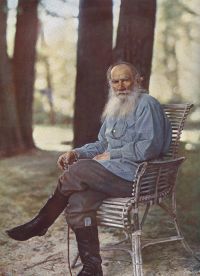
Russian peasant

Definition and stakes

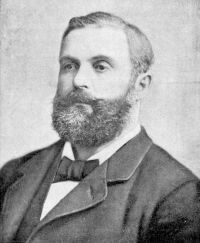
Bp. Herbert Bury,  Russian Life To-day

“ To me the Russian peasant is, as to others who have known him at his best, an amiable, attractive, intelligent, thoroughly good-natured and altogether lovable creature. It is quite true that he can do, has done, and may again do some perfectly appalling things, but it has been when thoroughly worked up, as one of a crowd, and when every one else has lost his head. Terrible things which were not allowed to be known in Europe outside their frontiers, and now will probably never be known, were done during the revolution of seven years ago. ”
Source: Gutenberg

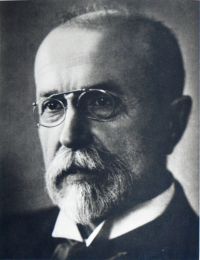
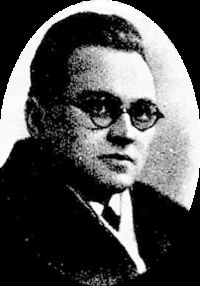
Portrait of Paul Dukes Paul Dukes,  Red Dusk and the Morrow: Adventures and Investigations in Red Russia

“ But I am convinced that during these dark years of affliction the Russian peasant is, so to speak, fashioning for himself a spoon, and when again the dream occurs, he will possess the wherewithal to eat his gruel. Much faith is needed to look ahead through the black night of the present and see the dawn, but eleven years of life amongst all classes from peasant to courtier have perhaps infected me with a spark of that patriotic love which, despite an affectation of pessimism and self-deprecation, does almost invariably glow deep down in the heart of every Russian. ”
Source: Gutenberg

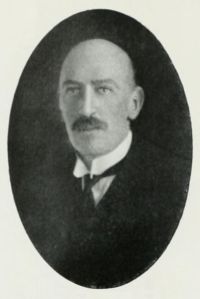
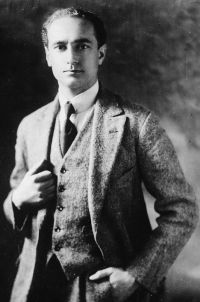
Portrait of Frederick Ferdinand Moore Frederick Ferdinand Moore,  Siberia To-Day (1919)

“ In this latter respect I have not found the Russian peasant hard to understand. The Russian noble and land-owner presents to me a greater problem. Here is a country in which the people love the land—they love to sow and reap, to dig and make the land produce. In fact, they demand little else. Yet the history of the Russian peasant is one of a constant fight to use and possess the land, while the great land-owner and the government, have persisted in thwarting him. ”
Source: Gutenberg

Get perspective with Kwize: daily news enlightened by great literature