Russula

Definition and stakes

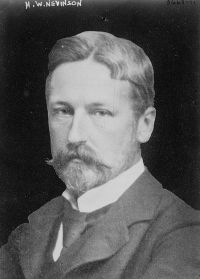
Portrait of W. Hamilton Gibson W. Hamilton Gibson,  Our Edible Toadstools and Mushrooms and How to Distinguish Them

“ There is but one safe, as it is a simple, rule for him: He should taste every specimen of his Russula of whatever kind before venturing upon its use as food. All of the sweet and palatable Russulæ are esculent. When he chances upon the R. emetica he will be aware of its important demoralizing resources in the peppery-hot tingle of his tongue, which, if not instantly perceived, will within the space of a minute assert itself distinctly. ”

Source: Gutenberg

Portrait of W. Hamilton Gibson W. Hamilton Gibson,  Our Edible Toadstools and Mushrooms and How to Distinguish Them

“ The Russula alutacea (Pl. 12, figs. 2, 4, 6) is a delicious species. In general size and contour it resembles the foregoing. The color of the cap varies from bright-red to blood-red or even approaching the purplish red of the preceding species, lightening towards edge. But we have a clear distinction in the color of the gills, which are distinctly yellowish, pale ochre, or nankeen, in all stages of the mushroom, or even tawny in old specimens. ”
Source: Gutenberg

Portrait of Thomas Taylor Thomas Taylor,  Student's Hand-book of Mushrooms of America…

“ Genus Russula Fr. The Russulæ bear some resemblance to the Lactars, their nearest allies, but are at once distinguished from them by their want of milk.
They are very abundant in the forests and open woods. The genus is cited by some authors as the most natural of the agarics, but, as many of the species very closely resemble each other, it requires careful analysis to determine them. The plants of this genus are not volvate, and have neither veil nor ring. The hymenophore is not separate from the trama of the gills.
”
Source: Gutenberg

Get perspective with Kwize: daily news enlightened by great literature