Santiago de Compostela, the capital of Galicia in northwest Spain, is renowned as the endpoint of the Way of St. James, a major medieval pilgrimage route. Its origins trace back to the shrine of Saint James the Great, now enshrined in the UNESCO-listed Cathedral of Santiago de Compostela.
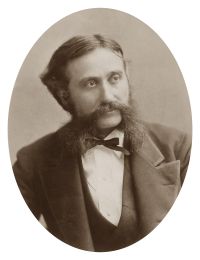
Authors like Katharine Lee Bates highlighted its 12th-century peak as a Christian pilgrimage center, while Edgar Thomas Ainger Wigram evoked its striking towers and misleading topography. Thomas Macall Fallow and Richard Phené Spiers noted its Romanesque design, drawing comparisons to French cathedrals. These perspectives underscore Santiago’s lasting role as a spiritual and cultural crossroads, merging historical faith with architectural heritage.