Sarmatians

Definition and stakes

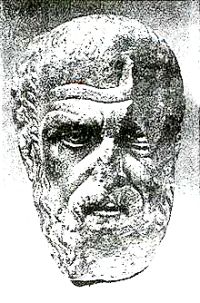
Portrait of Edward Gibbon Edward Gibbon,  The History of the Decline and Fall of the Roman Empire

“ Among the different branches of the human race, the Sarmatians form a very remarkable shade; as they seem to unite the manners of the Asiatic barbarians with the figure and complexion of the ancient inhabitants of Europe. According to the various accidents of peace and war, of alliance or conquest, the Sarmatians were sometimes confined to the banks of the Tanais; and they sometimes spread themselves over the immense plains which lie between the Vistula and the Volga. ”
Source: Gutenberg

Portrait of Edward Gibbon Edward Gibbon,  History of the Decline and Fall of the Roman Empire…

“ The offensive arms of the Sarmatians were short daggers, long lances, and a weighty bow with a quiver of arrows. They were reduced to the necessity of employing fish-bones for the points of their weapons; but the custom of dipping them in a venomous liquor, that poisoned the wounds which they inflicted, is alone sufficient to prove the most savage manners, since a people impressed with a sense of humanity would have abhorred so cruel a practice, and a nation skilled in the arts of war would have disdained so impotent a resource. ”
Source: Gutenberg

Cornelius Tacitus,  Tacitus: The Histories, Volumes I and II

“ While they were riding about aimlessly without any suspicion of danger, they were suddenly attacked by the Third legion176 and its native auxiliaries. On the Roman side everything was ready for a battle: the Sarmatians were scattered over the country; some in their greed for plunder were heavily laden, and their horses could scarcely move on the slippery roads. They were caught in a trap and cut to pieces. It is quite extraordinary how all a Sarmatian's courage is, so to speak, outside himself. Fighting on foot, no one is more cowardly; but their cavalry charge would break almost any troops. ”
Source: Gutenberg

Get perspective with Kwize: daily news enlightened by great literature