Seleucid Empire

Definition and stakes

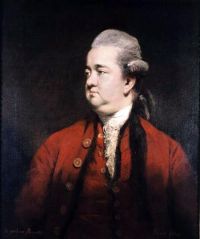
Portrait of D. G. Hogarth D. G. Hogarth,  The Ancient East

“ It is true that our piecemeal information comes largely from writers who somewhat despised them; but the known history of the Seleucid Empire, closed by an extraordinarily facile and ignominious collapse before Rome, supports the judgment that, taken one with another, its kings were shallow men and haphazard rulers who owed it more to chance than to prudence that their dynasty endured so long. ”

Source: Gutenberg

Edwyn Robert Bevan,  1911 Encyclopædia Britannica (1911)

“ In India, Seleucus had in 302 ceded large districts on the west of the Indus to Chandragupta, who had arisen to found a native empire which annexed the Macedonian provinces in the Panjab.
Whilst the Antigonid kingdom remained practically whole till the Roman conquest ended it in 168 B.C., and the house of Ptolemy ruled in Egypt till the death of Cleopatra in 30 B.C., the Seleucid Empire perished by a slow process of disruption. The eastern provinces of Iran went in 240 or thereabouts, when the Greek Diodotus made himself an independent king in Bactria (q.v.)
”
Source: Wikisource

J. N. Larned,  History for ready reference, Volume 4… (1895)

“ See, also, TOWNSHIP AND TOWN-MEETING. SELEUCIA. Seleucia, about forty-five miles from Babylon, on the Tigris, was one of the capitals founded by Seleucus Nicator. "Many ages after the fall of [the Macedonian or Seleucid Empire in Asia] ... Seleucia retained the genuine characters of a Grecian colony—arts, military virtue, and the love of freedom. {2883} The independent republic was governed by a senate of three hundred nobles; the people consisted of 600,000 citizens ”
Source: Gutenberg

Get perspective with Kwize: daily news enlightened by great literature