Sheraton

Definition and stakes

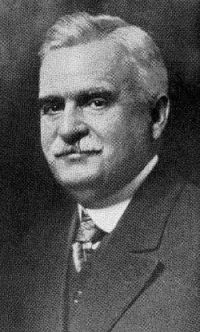
James George Joseph Penderel-Brodhurst,  1911 Encyclopædia Britannica (1911)

“ There are no more charming things outside French furniture than some of the creations of Sheraton in his great period. The severe and balanced forms, the delicate inlay, the occasional slight carving in low relief, the painted enrichment's, the variety of the backs and legs of his chairs produce an impression of lightness and grace that has never been surpassed ”
Source: Wikisource

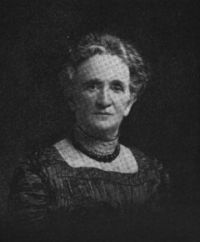
Portrait of Mary Harrod Northend Mary Harrod Northend,  Colonial Homes and Their Furnishings

“ Plate XXVIII.—Sheraton, mahogany frame, about 1800; Sheraton with solid arms and straight, slender legs; Sheraton, about 1790. Note the graceful curve of the arms.
Following close upon the heels of Hepplewhite came Sheraton, the last of the three great masters in cabinet-work. His designs were delicate, but strong, and generally his chair backs were firmer than those of Hepplewhite. When he had exhausted other forms of decoration, he indulged his fancy for brilliant coloring, mixing it with both inlay and carving.
”
Source: Gutenberg

James George Joseph Penderel-Brodhurst,  1911 Encyclopædia Britannica (1911)

“ There is, however, little indication that Sheraton chafed under the tyranny of “ those twin jailors of the daring heart, low birth and iron fortune. ” “ I can assure the reader,” he writes in one of his books, “ though I am thus employed in racking my invention to design fine and pleasing cabinet-work, I can be well content to sit upon a wooden-bottom chair, provided I can but have common food and raiment wherewith to pass through life in peace.”
His first book on furniture was published in 1791 with the title of The Cabinet-Maker and Upholsterer's Drawing Book.
”
Source: Wikisource

Get perspective with Kwize: daily news enlightened by great literature