Shiva temple

Definition and stakes

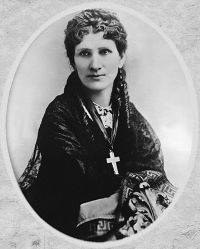
Portrait of Eliza Ruhamah Scidmore Eliza Ruhamah Scidmore,  Winter India (1903)

“ One enters from the plain by an ornamental gateway in the cliff front, a rock screen closing the front of the court. Colossal elephants and lamp-posts stand on either side of the open mandapam, or pavilion, containing the sacred bull; and beyond rises the monolithic Dravidian temple to Shiva, ninety feet in height, hollowed into vestibule, chamber, and image-cells, all lavishly carved. ”

Source: Wikisource

Sir Valentine Chirol,  India, Old and New

“ One of her elbows fell on the banks of the Sipra at Ujjain, and few shrines enjoy greater or more widespread fame than the great temple of Maha-Kal, consecrated to her worship and that of Shiva. Its wealth was fabulous when it was looted and destroyed by Altamsh and his Pathan Mahomedans in 1235. The present buildings are for the most part barely 200 years old, and remarkable chiefly for the insistency with which the lingam and the bull, the favourite symbols of Shiva, repeat themselves in shrine after shrine. ”
Source: Gutenberg

Portrait of Eliza Ruhamah Scidmore Eliza Ruhamah Scidmore,  Winter India — Chapter 1 (1903)

“ We could look down dark temple corridors to darker shrines, where faint lights glimmered and the highest-caste Brahmans were tending the images of Shiva and Minakshi. Every May these idols are paraded in state to another part of the temple, and the gold and silver chariots and palanquins, the jeweled elephant trappings, and all the treasury of gems belonging to the shrine are brought to light. The Madura temple jewels are among the finest in southern India, and one sees them by special permit, and afterward pays a fee for the cleansing of the jewels. ”
Source: Wikisource

Get perspective with Kwize: daily news enlightened by great literature