Sioux people

Definition and stakes

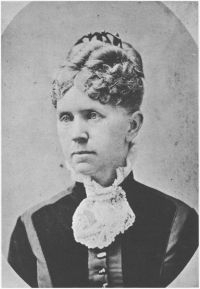
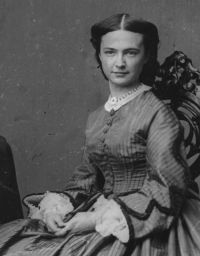
Portrait of Elizabeth Bacon Custer Elizabeth Bacon Custer,  Boots and Saddles (1885)

“ As we dismounted, we saw an old man standing alone in the circle, apparently unconscious of everything, as he recounted some war tale in loud, monotonous tones. He had no listeners—all were intently watching the approaching regiment; still the venerable Sioux went on as persistently as if he were looking "upon a sea of upturned faces." He was the "medicine-man," or oracle, of the tribe, or possibly the "poet-laureate" of the village, for the guide told us he sang of the deeds of valor of his people far back in history. ”
Source: Wikisource

Edward Sylvester Ellis,  The Young Ranchers; Or, Fighting the Sioux

“ The Sioux seemed to have fallen on his side, with his face turned partly away from the youth. With surprising quickness he shifted his position so as to confront the horseman, and still lay prostrate in the snow, as if unable to rise.
There might be a sinister meaning to this. The pretence of being mortally disabled was an old one with his people, as many a white man has learned when too late.
”
Source: Gutenberg

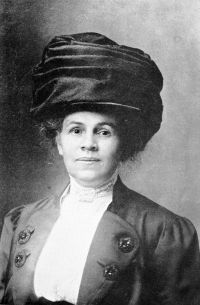
Marie L. McLaughlin,  Myths and Legends of the Sioux

“ In the “timbre” of these stories of the Sioux, told in the lodges and at the camp fires of the past, and by the firesides of the Dakotas of today, we recognize the very texture of the thought of a simple, grave, and sincere people, living in intimate contact and friendship with the big out-of-doors that we call Nature; a race not yet understanding all things, not proud and boastful, but honest and childlike and fair; a simple, sincere, and gravely thoughtful people, willing to believe that there may be in even the everyday things of life something not yet fully understood ”
Source: Gutenberg

Get perspective with Kwize: daily news enlightened by great literature