Mandan

Definition and stakes

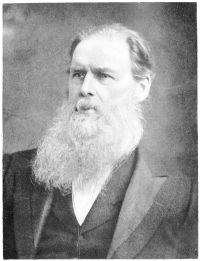
Portrait of James Owen Dorsey James Owen Dorsey,  A Study of Siouan Cults

“ The Mandan belief in a future state is connected with the tradition of their origin: The whole nation resided in one large village under ground, near a subterraneous lake. Some of the people climbed up to this earth by means of a grape-vine, which broke when a corpulent woman essayed to climb it. Therefore the rest of the people remained in the subterranean village. When the Mandan die they expect to return to the original seats of their forefathers, the good reaching the ancient village by means of the lake, which the burden of the sins of the wicked will not enable them to cross. ”
Source: Gutenberg

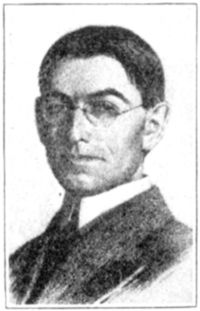
Portrait of Garrick Mallery Garrick Mallery,  Pictographs of the North American Indians…

“ I. A Mandan chief, “The-Man-with the-Hat,” becomes noted as a warrior. The character is precisely the same as that often given for white man. Some error in the interpretation is suggested in the absence of knowledge whether there actually was a Mandan chief so named, in which case the pictograph would be consistent.
Battiste Good says: “Wears-the-war-bonnet-died winter,” adding: He did not die this winter, but received a wound in the abdomen from which the arrow head could not be extracted, but he died of the belly-ache years after.
”
Source: Gutenberg

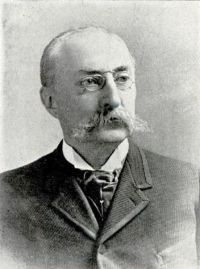
Portrait of James Owen Dorsey James Owen Dorsey,  A Study of Siouan Cults

“ GHOST LORE.
§ 338. The Mandan believe that each person has several spirits dwelling within him; one of which is black, another brown, and a third light-colored, the last alone returning to the Lord of Life. They think that after death they go to the south, to several villages which are visited by the gods; that their existence there is dependent on their course of life while in this world; that the brave and kind-hearted carry on the same occupation, eat similar food, have wives, and enjoy the pleasures of war and the chase.
”
Source: Gutenberg

Get perspective with Kwize: daily news enlightened by great literature