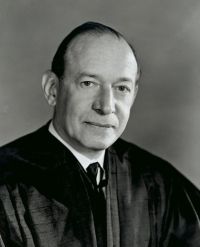
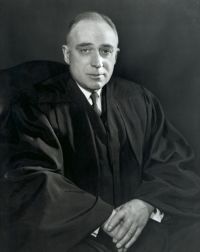
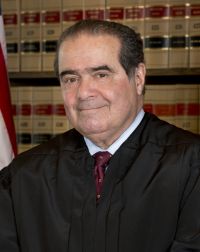
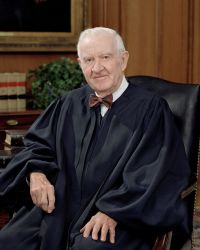
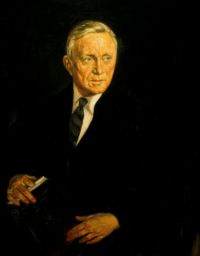
The Sixth Amendment to the United States Constitution ensures essential rights in criminal proceedings, such as the right to legal representation, a jury trial, and the right to confront witnesses. Legal experts and judges, from Hugo Black to Thurgood Marshall, have long discussed its meaning and implementation. Black highlighted its function as a safeguard against unchecked governmental authority, whereas Marshall grounded its interpretation in historical tradition.
Others, such as Abe Fortas, connected it to state responsibilities through the Fourteenth Amendment, and John Marshall Harlan II examined the boundaries of its Confrontation Clause. These viewpoints illustrate a developing legal doctrine, reconciling original intent with modern legal demands, as demonstrated in cases such as Gideon v. Wainwright and Miranda v. Arizona. The Amendment's influence continues to represent a dynamic meeting point of constitutional ideals and practical legal change.
 Hugo Black,
Betts v. Brady — Dissenting Opinion
Hugo Black,
Betts v. Brady — Dissenting Opinion