St Albans Abbey

Definition and stakes

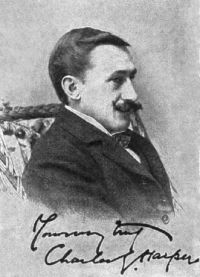
Portrait of Charles G. Harper Charles G. Harper,  Summer Days in Shakespeare Land

“ You cannot see this great Abbey church to advantage from the town. It is only from the open meadows by the Severn, and its tributary brooks, where the little town is to be guessed at by the evidence of a few roofs and chimneys, that its great scale and solemn majesty are fully apparent. There the great central Norman tower and the magnificent and unique West Front of the same period are seen in their proper relation with the surroundings. The long outline is very like that of St. Albans, but 237 feet less; St. Albans Abbey being 550 feet long, and Tewkesbury 313 feet. ”
Source: Gutenberg

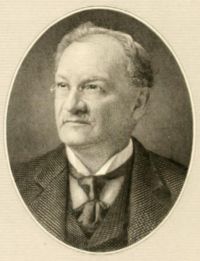
V. H. Galbraith,  The Abbey of St. Albans from 1300 to the dissolution of the monasteries (1911)

“ The effect of lessening the pressure of outside circumstances and rendering more safe and easy the existence of the Abbey was to promote a mild revival which bore its best fruits in a new outburst of historical writing. The golden age of St. Albans’ historical composition had been the early thirteenth century, and was associated with the names of Roger Wendover and Matthew Paris. Then it was that the St. Albans School grew famous. ”
Source: Gutenberg

V. H. Galbraith,  The Abbey of St. Albans from 1300 to the dissolution of the monasteries (1911)

“ Its poverty weakened its independence, and was at once the cause of the decline of its hospitality and the reason for its growing obsequiousness toward the great. The bishops especially were quick to realise the weakness of the Abbey.72 Always jealous of exempt houses, they exhibited in the fifteenth century an unusually bitter hostility towards St. Albans. In 1399, Henry Bishop of Lincoln had formally notified the Abbot that he claimed no jurisdiction over the Abbey73 ”
Source: Gutenberg

Get perspective with Kwize: daily news enlightened by great literature