Swiss Diet

Definition and stakes

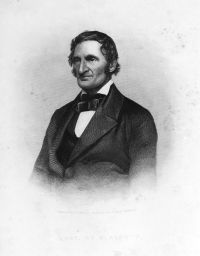
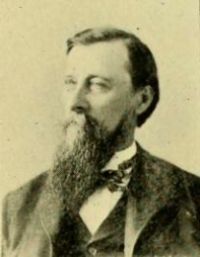
Portrait of Boyd Winchester Boyd Winchester,  The Swiss Republic (1891)

“ The diet of rye bread, milk, cheese, and potatoes is at least wholesome, for they are all produced at home. They use but little fresh meat, and mostly vegetables and bread. Of the latter they are the champion consumers, it being estimated that the yearly bread consumption is as high as three hundred and six pounds per capita. Meeting children on the country road or village street, you are sure to find almost every one of them munching bread, and it will be entirely guiltless of sugar or jam. With the poorer classes meagre cheese is the staple food. ”
Source: Gutenberg

Portrait of Boyd Winchester Boyd Winchester,  The Swiss Republic (1891)

“ What is lacking in quality of the peasant’s food is made up in quantity or rather the frequency with which it is partaken of. There is early breakfast, lunch at nine A.M., called from its hour s’nüni, dinner at twelve, lunch again at four P.M., called s’vierli, and supper. It is astonishing to see how much solid flesh, good blood, and healthy color can be produced by such inferior and limited diet. ”
Source: Gutenberg

W. Mattieu Williams,  The Chemistry of Cookery

“ They exist in all kinds of wholesome vegetables and fruits, and in the juices of fresh meat, but they are wanting in cheese, having, on account of their great solubility, been left behind in the whey.
This absence of potash appears to me to be the one serious objection to the free use of cheese diet. The Swiss peasant escapes the mischief by his abundant [142] salads, which eaten raw contain all their potash salts, instead of leaving the greater part in the saucepan, as do cabbages, &c., when cooked in boiling water.
”
Source: Gutenberg

Get perspective with Kwize: daily news enlightened by great literature