Telugu language

Definition and stakes

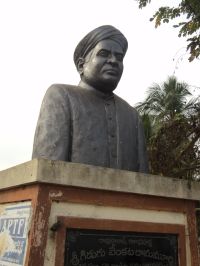
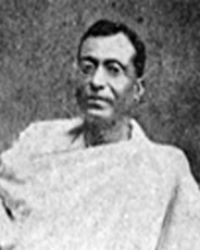
Gurajada Apparao,  Minute of Dissent (2012)

“ There are two principal dialects in Telugu, one an archaic and artificial literary dialect and the other, the living polite dialect. The facts of the two dialects differ considerably and since grammar is a statement of facts, each dialect has a grammar of its own which takes account of its facts. The literary dialect acquired grammatical fixity centuries back. In other words it did not keep pace with the changes undergone by living speech. It is, therefore, a dead language and its facts are found in books. The facts of polite speech are in the mouths of the best society. ”
Source: Wikisource

Gurajada Apparao,  Minute of Dissent (2012)

“ The literary dialect is very difficult to master. That is the reason why Telugus who have received the best Western culture are unable to cultivate composition in Telugu. They are afraid or committing blunders, and give up the attempt in despair. Spontaneous writing is out of the question, when one has to write a language which he has to learn from books and is in mortal dread of violating grammar or usage at every step. ”
Source: Wikisource

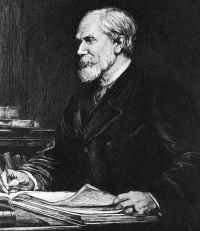
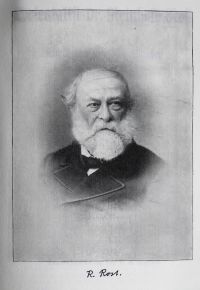
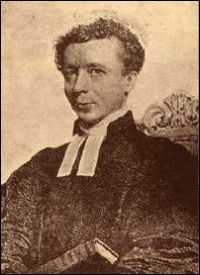
Portrait of Charles Philip Brown Charles Philip Brown,  A Grammar of the Telugu Language (1840)

“ A familiarity with the spoken Telugu as already alluded to, gives so little aid in reading the superior language used in poems, that some have hence imagined the latter to be obsolete: just as the Telugus, Canarese or Tamils, however fluent in colloquial English, are unable to read English poems; which we look upon as perfectly easy. And yet their poets are read with delight by persons of ordinary education: a fact which led me to the conclusion that the “high or Sanscrit dialect” was neither obsolete nor in general pedantic. ”
Source: Wikisource

Get perspective with Kwize: daily news enlightened by great literature