Tibetan Buddhism

Definition and stakes

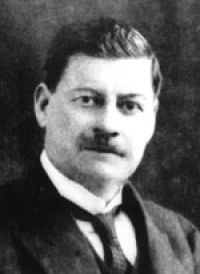
Portrait of Sir Aurel Stein Sir Aurel Stein,  The Thousand Buddhas (1921)

“ In Tibetan Buddhism the Tantra system of magic and witchcraft, and the worship of demons (supposed to be converted by Buddha and to be vassals under his sovereignty) , play a dominant part; and in the paintings the forms are often monstrous and horrible, the colouring sombrely splendid. But the harmonies of fluid, sinuous line, for which they are even more remarkable, seem to be an element borrowed from Chinese art and carried to excess in Tibet. If we compare for a moment this painting with, for instance, the one reproduced on Plate xlii, we see how much this element counts for. ”
Source: Gutenberg

Portrait of Charles Eliot Charles Eliot,  Hinduism and Buddhism, An Historical Sketch…

“ There late Indian Buddhism simply decayed under an overgrowth of Brahmanism. In Tibet it acquired more life and character than it had in its native Bengal. This new character has something monstrous and fantastic in government as well as art: the magic fortresses of the Snowland, peopled by priests and demons, seem uncanny homes for plain mortals, yet Lamaism has the strength belonging to all genuine expressions of national character and it clearly suits the Tibetans and Mongols. The oldest known form of Tibetan religion had some of the same characteristics. ”
Source: Gutenberg

Get perspective with Kwize: daily news enlightened by great literature