Shamanism

Definition and stakes

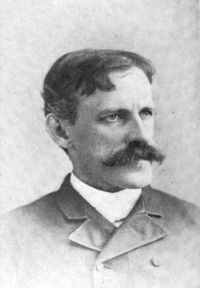
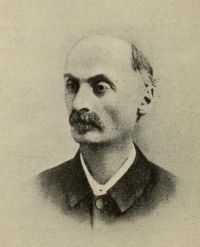
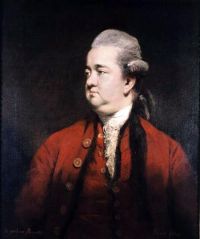
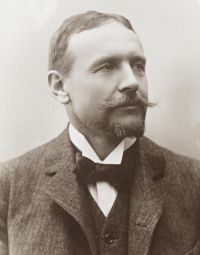
Portrait of Charles Godfrey Leland Charles Godfrey Leland,  Algonquin Legends of New England

“ Shamanism, or a vague fear of invisible evils and the sorcerer, may indeed have sprung up independently in Tartary, Central Africa, Finland, and North America. But it is almost incredible that the use of a drum inscribed with magical figures, the spirit flight of the angakok or Shaman, and twenty other characteristics of the art should have become, without transmission, common to all these countries. Shamanism has probably been at the root of all religions ”
Source: Gutenberg

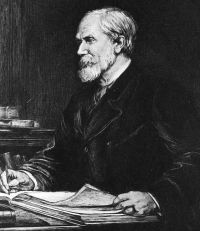
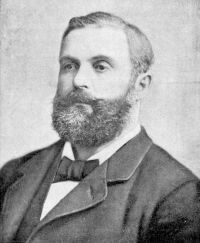
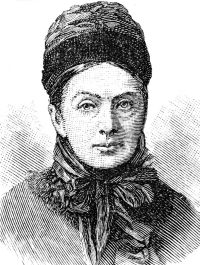
Portrait of Isabella L. Bird Isabella L. Bird,  Korea and her neighbors (1897)

“ So far as I know, Shamanism exists only in Asia, and flourishes specially among the tribes north of the Amur, the Samoyedes, Ostiaks, etc., as well as among hill tribes on the southwestern frontier of China. The term Shaman may be applied to all persons, male or female, whose profession it is to have direct dealings with dæmons, and to possess the power of securing their good-will and averting their malignant influences by various magical rites, charms, and incantations, to cure diseases by exorcisms, to predict future events, and to interpret dreams. ”
Source: Gutenberg

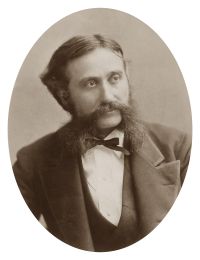
Portrait of Charles Godfrey Leland Charles Godfrey Leland,  Algonquin Legends of New England

“ For wherever Shamanism exists, there is to be found, in company with it, an older sorcery, or witchcraft, which it professes to despise, and against which it does battle. As the Catholic priest, by Bible incantations or scriptural magic, exorcises devils and charms cattle or sore throats, disowning the darker magic of older days, so the Shaman acts against the real wizard. Rink tells us that among the heathen Eskimo the Shaman is sacred, and witchcraft a deadly crime, but that the latter is the secret survival of a more ancient religion. ”
Source: Gutenberg

Get perspective with Kwize: daily news enlightened by great literature