Uniform Code of Military Justice

Definition and stakes

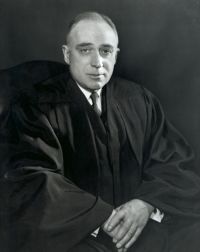
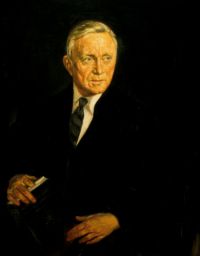
Portrait of William O. Douglas William O. Douglas,  O'Callahan v. Parker — Opinion of the Court

“ In 1916, on the eve of World War I, the Articles of War were revised, 39 Stat. 650, to provide for military trial, even in peacetime, of certain specific civilian crimes committed by persons 'subject to military law' and the general article, Art. 96, was modified to provide for military trial of 'all crimes or offenses not capital.' In 1950, the Uniform Code of Military Justice extended military jurisdiction to capital crimes as well. ”
Source: Wikisource

Public Law 81-506 — Uniform Code of Military Justice…

“ After such a request, no enlisted person shall be tried by a general or special court-martial the membership of which does not include enlisted persons in a number comprising at least one-third of the total membership of the court, unless eligible enlisted persons cannot be obtained on account of physical conditions or military exigencies. Where such persons cannot be obtained, the court may be convened and the trial held without them, but the convening authority shall make a detailed written statement, to be appended to the record, stating why they could not be obtained. ”
Source: Wikisource

Public Law 81-506 — Uniform Code of Military Justice…

“ Subject to article 17, general courts-martial shall have jurisdiction to try persons subject to this code for any offense made punishable by this code and may, under such limitations as the President may prescribe, adjudge any punishment not forbidden by this code, including the penalty of death when specifically authorized by this code. General courts-martial shall also have jurisdiction to try any person who by the law of war is subject to trial by a military tribunal and may adjudge any punishment permitted by the law of war. Art. ”
Source: Wikisource

Get perspective with Kwize: daily news enlightened by great literature