Vladimir the Great

Definition and stakes

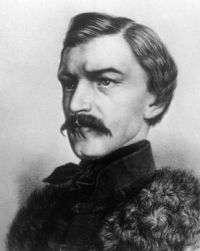
Portrait of Karel Havlíček Borovský Karel Havlíček Borovský,  The Conversion of St. Vladimir (1930)

“ Great religious ceremonials, with pomp and ostentatious pageants and processions, feasts and revels were prepared for them. Nothing was left undone to impress them with the grandeur and virtue of their religion.
They returned, a little worse for wear after their debauch but well agreed that this was the only creed for their ruler to adopt—both for himself and his subjects. As they pictured to Vladimir the pomp and display, the glory and splendor, he was much impressed.
”
Source: Wikisource

Charles Morris,  Historic Tales: The Romance of Reality…

“ His son Yaroslaf, whom he had made ruler of Novgorod, had refused to pay tribute, and the old prince, forced to march against his rebel son, died of grief on the way.
With all his faults, Vladimir deserved the title of Great which his country has given him. He put down the turbulent tribes, planted colonies in the desert, built towns, and embellished his cities with churches, palaces, and other buildings, for which workmen were brought from Greece. Russia grew rapidly under his rule. He established schools which the sons of the nobles were made to attend.
”
Source: Gutenberg

The Great Events by Famous Historians…

“ In 970 Sviatoslaf divided his empire among his three sons, Iaropolk I, Oleg, and Vladimir. After the death of Sviatoslaf in 972 civil war began between the three brothers. Oleg was killed and Vladimir fled to Sweden. In 980, supported by a force of Varangians, Vladimir returned, captured Novgorod and Kieff, and put Iaropolk to death. Under Vladimir, later known as Vladimir the Great, Russia increased in importance, and civilization was enhanced by the spread of Christianity through the missionary efforts of the Greek Church, now the Holy, Orthodox, Catholic, Apostolic, Oriental Church. ”
Source: Gutenberg

Get perspective with Kwize: daily news enlightened by great literature