West India

Definition and stakes

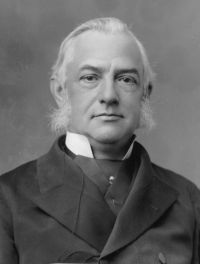
Portrait of Frederick Douglass Frederick Douglass West India Emancipation (1857)

West India freedom, though more than twenty-one years old, is yet but an infant. And to predicate its future on its present weakness, awkwardness, and improvidence now, is about as wise as to apply the same rule to your little toothless children. It has taken at least a thousand years to bring some of the leading nations of the earth from the point where the negroes of the West Indies started twenty-three years ago, to their present position.
Source: Wikisource

Portrait of Frederick Douglass Frederick Douglass West India Emancipation (1857)

Herein is the true significance of West India Emancipation. It stands out before all the world as a mighty, moral, and spiritual triumph. It is a product of the soul, not of the body. It is a contribution to common honesty without which nations as well as individuals sink to ruin. It is one of those words of life that proceedeth out of the mouth of God, by which nations are established, and kept alive and in moral health.
Source: Wikisource

Portrait of Frederick Douglass Frederick Douglass West India Emancipation (1857)

I wish you to look at West India Emancipation as one complete transaction of vast and sublime significance, surpassing, all power of exaggeration. We hear and read much of the achievements of this nineteenth century, and much can be said, and truthfully said of them. The world has literally shot forward with the speed of steam and lightning. It has probably made more progress during the last fifty years, than in any five hundred years to which we can refer in the history of the race. Knowledge has been greatly increased, and its blessing widely diffused.
Source: Wikisource

Get perspective with Kwize: daily news enlightened by great literature