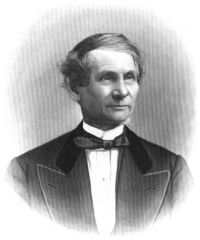
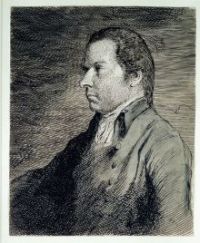
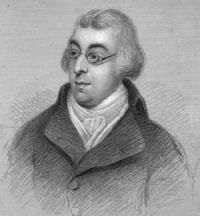
William Cavendish Bentinck, 3rd Duke of Portland

Definition and stakes

1911 Encyclopædia Britannica, Volume 22… (1911)

His son, the 5th duke, William John Cavendish Bentinck-Scott (1800–1879) died unmarried. He is notable for having constructed the underground halls at Welbeck Abbey, and for his retiring habits of life, which gave occasion for some singular stories. [1] He was succeeded by his cousin William John Arthur Charles James Cavendish-Bentinck (b. 1857) as 6th duke.
↑ 1 Public interest centred for some years round the allegation that he lived a double life and was identical with Mr T. C. Druce, an upholsterer of Baker Street, London, who, in 1851, married Annie May.
Source: Wikisource

Charles J. Archard The Portland Peerage Romance

His name in its extended form was William John Cavendish-Scott-Bentinck, and for many years, till the death of his brother Henry, he had no prospect of succeeding to the Dukedom. At nineteen he was a lieutenant in the army, and in 1824 was returned as Member of Parliament for King's Lynn; but the duties of a legislator do not seem to have been much to his taste and he resigned in 1826, his brother, Lord George Bentinck, being elected to take his place.
The fourth Duke kept a large stud of race-horses and Lord John was brought up in the atmosphere of the turf.
Source: Gutenberg

S. C. Hall The Stately Homes of England

William, second Duke of Portland, was born in 1709, and married, in 1734, the Lady Margaret Cavendish Harley, daughter and sole heiress of the Earl of Oxford by his countess, daughter and sole heiress of John Holles, Duke of Newcastle, who thus brought the estates of Welbeck, &c., to the Bentinck family. By this union his grace had issue three sons and three daughters. These were—the Lady Elizabeth Cavendish Bentinck, married to the Marquis of Thomond; Lady Henrietta Cavendish Bentinck, married to the Earl of Stamford
Source: Gutenberg

Get perspective with Kwize: daily news enlightened by great literature