Zeno of Elea

Definition and stakes

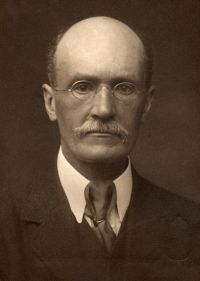
Portrait of Erwin Rohde Erwin Rohde Psyche: The Cult of Souls and Belief in Immortality among the Greeks

Parmenides in the second part of his doctrinal poem, developed, “in deceptive adornment of words,” not an authoritative statement of the true nature of being, but “human opinions” of becoming and creation in the world of multiplicity. This, too, must be the standpoint of the physiological doctrines put forward by Zeno of Elea, the boldest dialectician who upheld the doctrine of the motionless All-One. In the course of such a physiology, and with the same implied reservations, the Eleatic philosophers dealt also with the nature and origin of the soul.
Source: Gutenberg

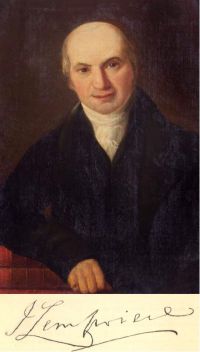
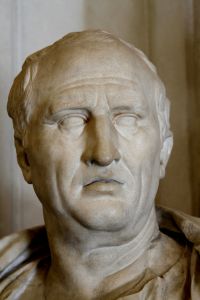
Portrait of John Lemprière John Lemprière A classical dictionary (1904)

Zeno, a philosopher of Elia or Velia in Italy, the disciple, or, according to some, the adopted son of Parmenides, and the supposed inventor of dialectic. His opinions about the universe, the unity, incomprehensibility, and immutability of all things, were the same with those of Xenophanes and the rest of the Eleatic philosophers. It is said that he attempted to deliver his country from the tyranny of Nearchus.
Source: Gutenberg

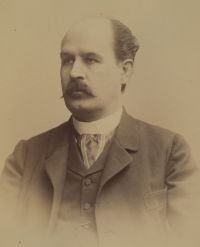
active 1886-1887 John W. Graham Neæra: A Tale of Ancient Rome

Zeno had withdrawn more into the centre, and saluted the appearance of Plautia with an obeisance of extreme deference. It partook of the profound humility offered to an oriental potentate, and had the dexterous Greek searched the world through he could not have found a more perfect incarnation of haughtiness than in the youthful beauty before him, who trod the earthen floor of the hovel in her deshabille, as if she were a Semiramis clad in splendour and stepping to her throne of state.
Source: Gutenberg

Get perspective with Kwize: daily news enlightened by great literature