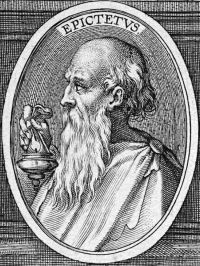
Cleanthes, a concept deeply embedded in philosophical and moral discussion, represents the connection between divine order, human duty, and the quest for moral purity. Cleanthes of Assos, through his hymn, portrays humanity's relationship with the divine, highlighting moral responsibility and the battle against wrongdoing, while Stoic philosophers such as Epictetus associate cleanliness with universal harmony and virtuous conduct.
David Hume, in contrast, presents a rationalist viewpoint, promoting theism as a logical basis for comprehending the universe's structure. At the same time, writers like Robert Hichens and William James expand the theme to encompass both physical and spiritual cleanliness, using it as a symbol of ethical clarity. These differing viewpoints together illustrate Cleanthes' unique position as a link between metaphysical exploration and everyday morality, demonstrating its lasting significance in both classical and contemporary thought.