Aesthetic pleasure

Definition and stakes

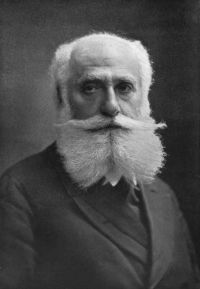
Portrait of George Santayana George Santayana,  The Sense of Beauty (1896)

“ The aesthetic pleasure is in the richness of the material, the profusion of the ornament, the significance of the shape — in everything, rather than in the shape itself.
We have accordingly, in works of art two independent sources of effect. The first is the useful form, which generates the type, and ultimately the beauty of form, when the type has been idealized by emphasizing its intrinsically pleasing traits. The second is the beauty of ornament, which comes from the excitement of the senses, or of the imagination, by colour, or by profusion or delicacy of detail.
”
Source: Gutenberg

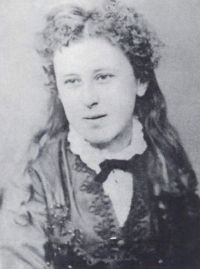
Portrait of Vernon Lee Vernon Lee,  Laurus Nobilis: Chapters on Art and Life

“ For Art—and the art we unwittingly practice whenever we take pleasure in nature—is without appeal either to the man who is straining at business and to the man who is dawdling in amusement.
Æsthetic pleasure implies energy during rest and leisureliness during labour. It means making the most of whatever beautiful and noble possibilities may come into our life; nay, it means, in each single soul, being for however brief a time, beautiful and noble because one is filled with beauty and nobility.
”
Source: Gutenberg

Portrait of James Sully James Sully,  1911 Encyclopædia Britannica (1911)

“ To this purity of aesthetic pleasure must be added its refinement, which implies not merely a certain remoteness from the bodily needs, but the effect of a union of sense and mind in giving amplitude as well as delicacy to our enjoyment of beauty. Marked off from practical activity, As the region of most pure and refined feeling, aesthetic experience is clearly marked off from practical life, with its urgent desires and the rest. In aesthetic contemplation desire and will as a whole are almost dormant. ”
Source: Wikisource

Get perspective with Kwize: daily news enlightened by great literature