Agronomy

Definition and stakes

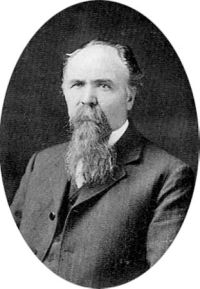
Thomas Forsyth Hunt,  The Young Farmer: Some Things He Should Know

“ The crops to be raised are maize, oats, wheat, clover, alfalfa, timothy, potatoes, tomatoes, cabbages, garden peas and apples. The animal products sold will be chiefly butter fat, wool, mutton, veal, pork and eggs. This is neither a long nor complex list of products. They are all adapted to the farm which the writer has in mind. Yet the man who operates this farm to the highest success will need to have a knowledge of agronomy, or the raising of field crops, of horticulture, animal husbandry, 125 including poultry husbandry and dairying. ”

Source: Gutenberg

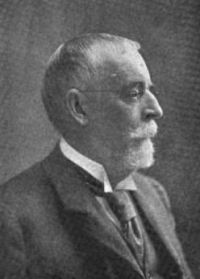
Portrait of Patrick Matthew Patrick Matthew,  On Naval Timber and Arboriculture

“ It is a fact well known to every intelligent farmer, that infield or croft land, that is land, which, having been earliest cultivated, was, of course, the best soil at first, and which has also been long highly manured at the cost of the outfield, and therefore containing much oleaginous and other matter, products of organization, produces grasses and other vegetables much more nutritive to cattle than the outfield, even though these vegetables be of the same species, and by reason of more careful culture of those of the outfield, also of the same size of plant. ”
Source: Gutenberg

1911 Encyclopædia Britannica (1911)

“ A more rational system of cropping now began to take the place of the thriftless and barbarous practice of sowing successive crops of corn until the land was utterly exhausted, and then leaving it foul with weeds to recover its power by an indefinite period of rest. Green crops, such as turnips, clover and rye. grass, began to be alternated with grain crops, whence the name alternate husbandry.
The writings of Arthur Young (q.v.) , secretary to the Board of Agriculture, describe the transition from the old to the new agriculture.
”
Source: Wikisource

Get perspective with Kwize: daily news enlightened by great literature