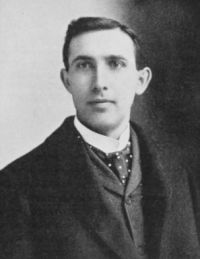
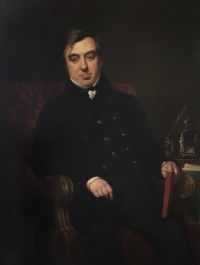
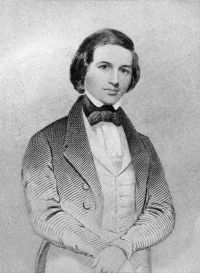
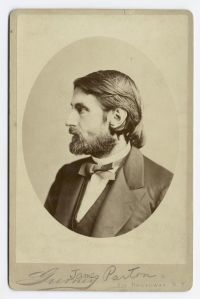
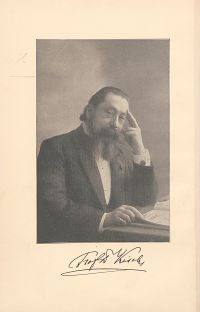
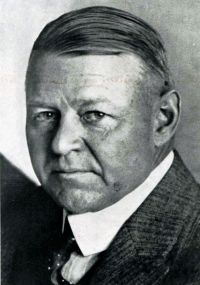
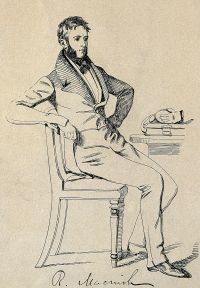
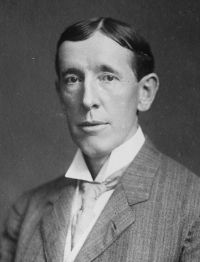
Alcohol consumption refers to the intake of beverages containing ethanol, describing a dynamic process rather than a static condition. Authors such as Havelock Ellis associated its use with indicators of civilization, while William H. Allen refined the understanding of its impact on young people, opposing outright judgments.
Alvin Davison highlighted its dangers to health, opposing assertions that moderate drinking could be harmless. Meanwhile, Fritz Wilhelm Woll challenged the belief that beer and wine are inherently safer options. These differing viewpoints illustrate how alcohol consumption has been analyzed from medical, ethical, and social perspectives, revealing its intricate relationship with human behavior and societal standards.
 Havelock Ellis,
The Dance of Life
Havelock Ellis,
The Dance of Life