Amino acids are organic compounds containing both amino and carboxylic acid groups, serving as the fundamental components of proteins and playing a crucial role in biological processes. More than 500 occur naturally, but only 22 α-amino acids are involved in protein synthesis, as they are encoded by the genetic code. These molecules are categorized based on their structural characteristics, polarity, and side-chain attributes, with functions ranging from structural support to metabolic regulation and cellular signaling.
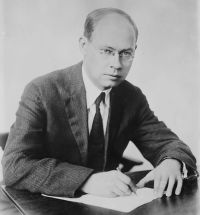
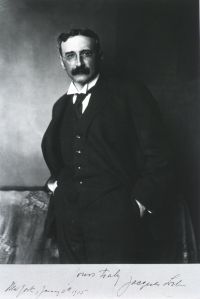
Researchers such as Roscoe Wilfred Thatcher investigated their production in plants, while Ernest G. Martin emphasized the differences in amino acid content between animal and plant proteins. The Rothamsted Experimental Station observed their degradation during decomposition, highlighting their significance in the biochemical processes of life. Additionally, their zwitterionic character and chiral nature contribute to their diverse roles in cellular activities.