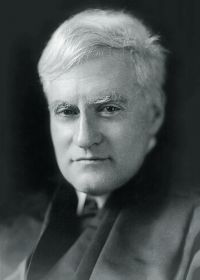
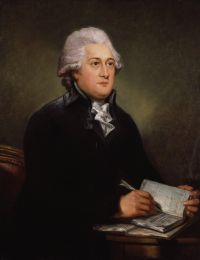
Arbitrariness refers to decisions or systems that lack a rational foundation, being driven by whim rather than necessity or principle. From legal philosophy, Rudolf von Jhering contrasts legal wrong with arbitrariness, highlighting its rejection of the logic of law, while South Africa’s Constitutional Court denounces it as fundamentally at odds with equality and rational governance.
Thurgood Marshall points out the inherent caprice of per se rules, weighing potential benefits against unwarranted losses. In semiotics, Ferdinand de Saussure emphasizes the capricious connection between linguistic signs and meaning, revealing language’s dependence on social convention. Across philosophy, law, and linguistics, arbitrariness lays bare the absence of objective standards, challenging ideas of fairness, purpose, and structured communication.