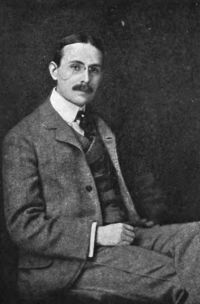
The artichoke, a thistle-like vegetable valued for its edible flower buds, has long fascinated writers and botanists alike. From Robert Russa Moton’s vivid description of its abundance in the soil to Johann Beckmann’s etymological reflections on its origins, the artichoke emerges as both a botanical curiosity and a cultural emblem. Charles Darwin noted its naturalization in South America, while Dr.
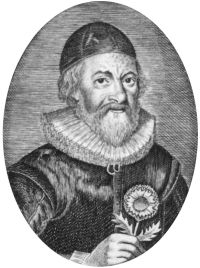
Doran wryly observed its modest beginnings in Roman cuisine. John Parkinson detailed its cultivation in English gardens, emphasizing its strong scent. These diverse perspectives highlight the artichoke’s dual role as a staple crop and a subject of scientific and literary interest, reflecting its lasting significance in human history.
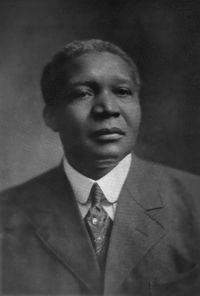 Robert Russa Moton,
The Upward Path: A Reader For Colored Children
Robert Russa Moton,
The Upward Path: A Reader For Colored Children