Assembly line

Definition and stakes

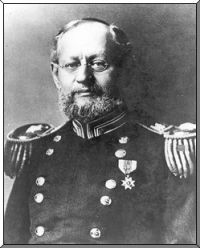
Henry M. Robert,  Robert's Rules of Order

“ In large assemblies it is better to follow the practice of the House of Representatives, and go into committee of the whole.] While acting informally upon any resolutions, the assembly can only amend and adopt them, and without further motion the Chairman announces that “the assembly acting informally [or as in committee of the whole] has had such a subject under consideration, and has made certain amendments, which he will report.” The subject comes before the assembly then as if reported by a committee. ”
Source: Gutenberg

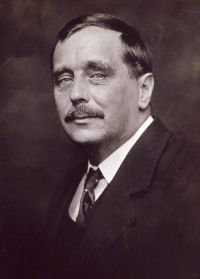
Portrait of William Pittenger William Pittenger,  Oratory Sacred and Secular; Or…

“ Business can only be introduced into an assembly by a motion. Persons, not members, may make communications, or send petitions asking for the doing of certain things; but these must be taken by one of the members, and by him read or presented to the assembly. It is then before the body for consideration, but nothing can be done with it until a motion is made by some one belonging to the assembly.
2. An assembly expresses its opinion by a resolution, commands by an order, and determines its own action by a vote.
”
Source: Gutenberg

Portrait of Frederic Austin Ogg Frederic Austin Ogg,  The Governments of Europe

“ The Assembly's Procedure.—Federal laws, decrees, and resolutions are passed only by agreement of the two councils. Any measure may originate in either house and may be introduced by any member. There are committees upon various subjects, but bills are referred to them only by special vote. Committee members are chosen by the chamber directly or by the chamber's "bureau," as the chamber itself may determine. In each house a majority constitutes a quorum for the transaction of business, and measures are passed by a (p. 430) simple majority. Sittings, as a rule, are public. ”
Source: Gutenberg

Get perspective with Kwize: daily news enlightened by great literature