Astronomical instrument

Definition and stakes

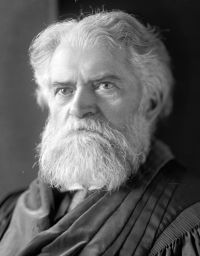
Portrait of Sir Oliver Lodge Sir Oliver Lodge,  Pioneers of Science

“ A heliometer is the most accurate astronomical instrument for relative measurements of position, as a transit circle is the most accurate for absolute determinations. It consists of an equatorial telescope with object-glass cut right across, and each half movable by a sliding movement one past the other, the amount by which the two halves are dislocated being read off by a refined method, and the whole instrument having a multitude of appendages conducive to convenience and accuracy. ”
Source: Gutenberg

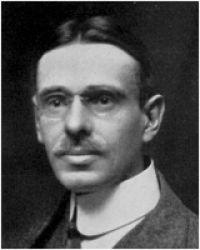
Portrait of George Biddell Airy George Biddell Airy,  Autobiography of Sir George Biddell Airy

“ The only instrument which, as I think, may possibly be called for by the demands of the astronomer or the astronomical public, is a telescope of the largest size, for the observation of faint nebulae and minute double stars. Whether the addition of such an instrument to our apparatus would be an advantage, is, in my opinion, not free from doubt. The line of conduct for the Observatory is sufficiently well traced; there can be no doubt that our primary objects ought to be the accurate determination of places of the fundamental Stars, the Sun, the Planets, and, above all, the Moon. ”
Source: Gutenberg

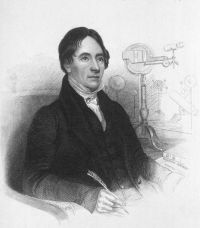
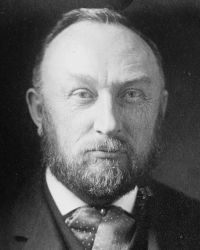
Portrait of Simon Newcomb Simon Newcomb,  Side-Lights on Astronomy and Kindred Fields of Popular Science

“ A great telescope is of no use without a man at the end of it, and what the telescope may do depends more upon this appendage than upon the instrument itself. The place which telescopes and observatories have taken in astronomical history are by no means proportional to their dimensions. Many a great instrument has been a mere toy in the hands of its owner. Many a small one has become famous. ”
Source: Gutenberg

Get perspective with Kwize: daily news enlightened by great literature