Auditory hallucination

Definition and stakes

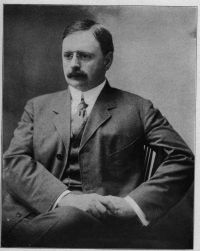
Theodore Seixas Solomons,  The Last Phantom (1923)

“ Up to that time only his eyes had been subject to hallucination. He had never imagined that he heard a sound. He knew that an auditory hallucination is just as common or even more common than a visual hallucination; and he had, therefore, no more confidence in the one than in the other. But just because he had not actually been deceived in a sound during his three days of hallucination, some obstinate thing in him suggested that this scene might conceivably be different from the others. ”
Source: Wikisource

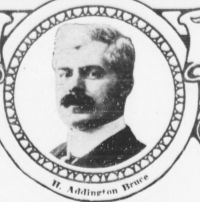
Portrait of H. Addington Bruce H. Addington Bruce,  Adventurings in the Psychical

“ When there is connected with the sending of the message some supreme crisis in the career of the sender—the crisis, it may be, of the moment of death—the auditory hallucination is sometimes of such a nature as to make its dire meaning almost self-evident. In this respect I know of nothing more striking than a strange case reported, with ample corroborative evidence, to the Society for Psychical Research. ”
Source: Gutenberg

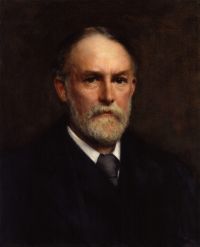
Portrait of Northcote Whitridge Thomas Northcote Whitridge Thomas,  1911 Encyclopædia Britannica (1911)

“ From an evidential point of view the apparition is the most valuable class of death-warning, inasmuch as recognition is more difficult in the case of an auditory hallucination, even where it takes the form of spoken words; moreover, auditory hallucinations coinciding with deaths may be mere knocks, ringing of bells, &c.; tactile hallucinations are still more difficult of recognition; and the hallucinations of smell which are sometimes found as death-warnings rarely have anything to associate them specially with the dead person. ”
Source: Wikisource

Get perspective with Kwize: daily news enlightened by great literature