Azulejo

Definition and stakes

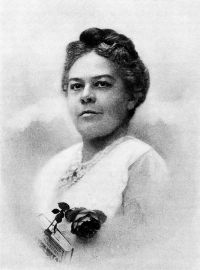
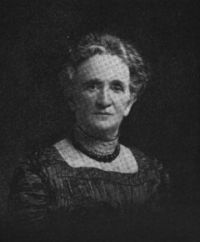
Portrait of Matilda Betham-Edwards Matilda Betham-Edwards,  Through Spain to the Sahara

“ Nothing can equal the taste and good sense,—always an infallible criterion of art—displayed in both these triumphs of form, colour, and convenience. The tile, which is always of graceful{185} pattern and beautifully enamelled colours, is cool, clean, and exactly the flooring suited for hot climates. Labour both of brain and hand are never spared, for wherever good azulejo work exists, there is sure to be plenty of variety, both as to colour and design. But it is chiefly in the artesonado ceilings that the Moorish artist is unrivalled. ”
Source: Gutenberg

Leonard Williams,  The Arts and Crafts of Older Spain…

“ The Spanish Moors employed the word almofassass to designate both aliceres and azulejos. Nevertheless, the two were not identical, although Riaño takes them to be so. He says: “The earliest tiles or azulejos made in Spain are composed of small pieces let into the wall, forming geometrical patterns.” These, in fact, were aliceres. It is not so easy to define an azulejo. We read in Aben-Said, quoted by [137] Al-Makkari: “There is another kind of work employed for paving houses. ”
Source: Gutenberg

Leonard Williams,  The Arts and Crafts of Older Spain…

“ The same writer inserts an interesting account of the manufacture of these azulejos. “It is at Valencia that the tiles of earthenware are made, with which they incrust walls and pave apartments: those tiles are of a clayey earth, which is found in the territories of Quarte near Valencia; they harden the earth long after soaking it in water; the tiles are formed in moulds, and are dried in the sun; they are then beaten with a piece of square wood of the dimensions of which they are wanted. They are then put into the oven, where they undergo a slight baking. ”
Source: Gutenberg

Get perspective with Kwize: daily news enlightened by great literature