Bark (medicine)

Definition and stakes

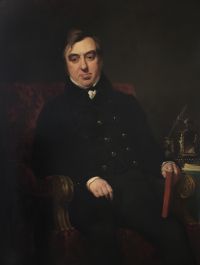
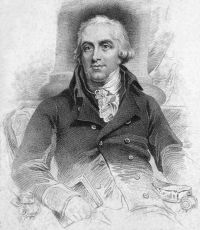
Portrait of John Ayrton Paris John Ayrton Paris,  Pharmacologia

“ The bark, which is the part used in medicine, yields by analysis tannin, gallic acid, resin, gum resin, bitter extractive, and mucilage. The dogwood is a powerful tonic, and by many practitioners has been used as a substitute for the Peruvian bark. The diseases in which it has been found serviceable are intermitting and remitting fevers, dyspepsia, general debility, &c. It may be given in substance, in doses of ʒj to ʒij—in extract, from 5 to 15 grs. or in infusion or decoction. ”
Source: Gutenberg

Arnold James Cooley,  Cooley's Cyclopædia of Practical Receipts and Collateral Information in the Arts…

“ Infusion of bark is tonic and stomachic, and in very large doses febrifuge. It is an extremely useful medicine in dyspepsia, debility, and during convalescences, and is often a valuable adjunct to more active remedies. Like the decoction, it is most energetic when strained whilst hot. The addition of 1 fl. dr. of diluted sulphuric acid to the water before pouring it on the bark increases its solvent power, and, consequently the strength of the infusion.—Dose, 1 to 3 fl. oz.
2. (Concentrated; Infusum cinchonæ concentratum, L.) —a. Yellow bark (coarsely powdered) , 4 lbs.; boiling water, 8 lbs.
”
Source: Gutenberg

Portrait of William Buchan William Buchan,  Domestic medicine (1791)

“ There is reason to believe, that sundry of our own plants or barks, which are very bitter and astringent, would succeed in the cure of intermittent fevers, especially when assisted by aromatics. But as the Peruvian bark has been long approved in the cure of this disease, and is now to be obtained at a very reasonable rate, it is of less importance to search after new medicines. We cannot however omit taking notice, that the Peruvian bark is very often adulterated, and that it requires considerable skill to distinguish between the genuine and the false. ”
Source: Gutenberg

Get perspective with Kwize: daily news enlightened by great literature